
When to Replace Your Water Heater in Arizona, and When to Repair It
Water heaters
By Chris Guerra · Licensed Plumber, ROC #339040 Updated July 2026 · 6 min read
In This Post
Have a plumbing problem?
Free estimates. Flat rate pricing. One-year warranty on parts and labor.
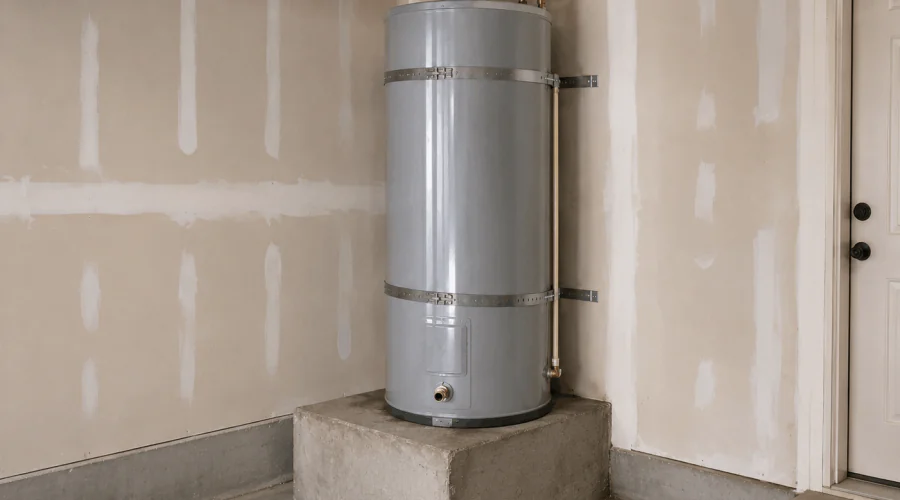
No hot water, a rumbling tank, or rusty water at the tap, and the question is always the same. Is this a repair, or is it time for a new one? Spend money fixing a heater that is about to fail anyway and you have wasted it. Replace one that had years left and you have wasted more. In Arizona, where hard water and heat push these units harder than most of the country, the honest answer comes down to a few specific things. Here is how to tell which side of the line your heater is on.
How Long a Water Heater Lasts in Arizona
The industry benchmark for a tank heater is eight to twelve years, and tankless units run longer. In Casa Grande, plan on the low end of the tank range. Two things settle to the bottom of every tank over time. Sediment from hard water, and the worn-down remains of the anode rod, the sacrificial metal rod that corrodes on purpose so the tank does not. In hard water, that rod burns through in as little as three to five years, and once it is gone the steel tank starts corroding directly. That is why heaters here fail early. If yours is past eight years and acting up, age alone starts tipping the decision toward replacement, because you would be repairing a unit already near the end of its run.
When a Repair Is the Right Call
Plenty of water heater problems are one failed part on an otherwise sound unit, and those are worth fixing. Repair usually makes sense when the heater is under about eight years old, the tank itself is not leaking, and the failure traces to a single component.
Common repairable problems:
When Replacement Is the Smarter Money
Some problems are the unit telling you it is finished, and putting money in only delays the inevitable. Replacement is the better spend when the signs point to the tank itself rather than a part. The U.S. Department of Energy’s own maintenance guidance flags rusty water, rumbling, and corrosion at the base of the tank as the markers of a unit near end of life.
Signs it is time to replace:
Why Hard Water Forces the Decision Early
The reason Arizona homeowners hit this fork sooner is the water. Mineral sediment builds faster here, the anode rod burns out faster, and the tank corrodes faster behind it. Flushing the tank on a schedule slows all of that down, and treating the water at the source slows it down more. If you are replacing a heater that died young, it is worth asking whether hard water is the reason, because the new one will face the exact same conditions unless something changes.
Get a Straight Diagnosis First
The right answer depends on what failed and how old the unit is, and that takes a look in person. Copperhead Plumbing diagnoses the problem, tells you whether a repair or a replacement is the better spend, and quotes the price before any work starts. No pressure toward the more expensive option, just an honest read on the unit in front of us. Copperhead Plumbing services water heaters across Casa Grande, Pinal County, and the East Valley, including Chandler and Gilbert. See water heater repair for what that looks like, or call (520) 705-2134 to get on the schedule.
Not Sure Whether Your Water Heater Is Worth Repairing?
Copperhead Plumbing will identify what failed, explain whether repair or replacement makes more sense for the age and condition of the unit, and set the price before work begins.
Common Questions
How long should a water heater last in Arizona?
Eight to twelve years is the standard range, but hard water shortens it sharply. The Water Quality Association found hard water can cut a gas tank’s life to about 5.5 years, which is why heaters in Casa Grande often fail sooner than the label suggests.
Is it worth repairing an old water heater?
It depends on age and the problem. A single failed part on a unit under eight years old is usually worth repairing. If the tank is leaking, over ten years old, or the repair approaches half the cost of a new unit, replacement is the smarter money.
Why does my water heater make a rumbling sound?
That sound is sediment built up in the bottom of the tank, common in hard water areas like Casa Grande. On a healthy unit a flush often clears it. On an older unit, it is a sign the tank has been working hard for years.
What is an anode rod and why does it matter?
It is a metal rod inside the tank that corrodes on purpose so the tank does not. In hard water it wears out in three to five years, and once it is gone the tank starts rusting from the inside. Replacing it on schedule is the highest-impact way to extend a water heater’s life.
Sources
U.S. Department of Energy — water heater maintenance and end-of-life indicators (rusty water, rumbling, base corrosion). energy.gov
Water Quality Association — hard water’s effect on water heater lifespan and the role of anode rod maintenance. wqa.org
U.S. Geological Survey — hard water accelerates sediment accumulation in storage tanks. usgs.gov

Chris Guerra
Licensed Arizona plumbing contractor, ROC #339040, and owner of Copperhead Plumbing Services in Casa Grande. Nearly a decade in the trade, working on the plumbing problems specific to Pinal County water and soil.
Chris Guerra
Licensed Arizona plumbing contractor, ROC #339040, and owner of Copperhead Plumbing Services in Casa Grande. Nearly a decade in the trade, working on the plumbing problems specific to Pinal County water and soil.

featured posts
More from the Copperhead Plumbing Blog
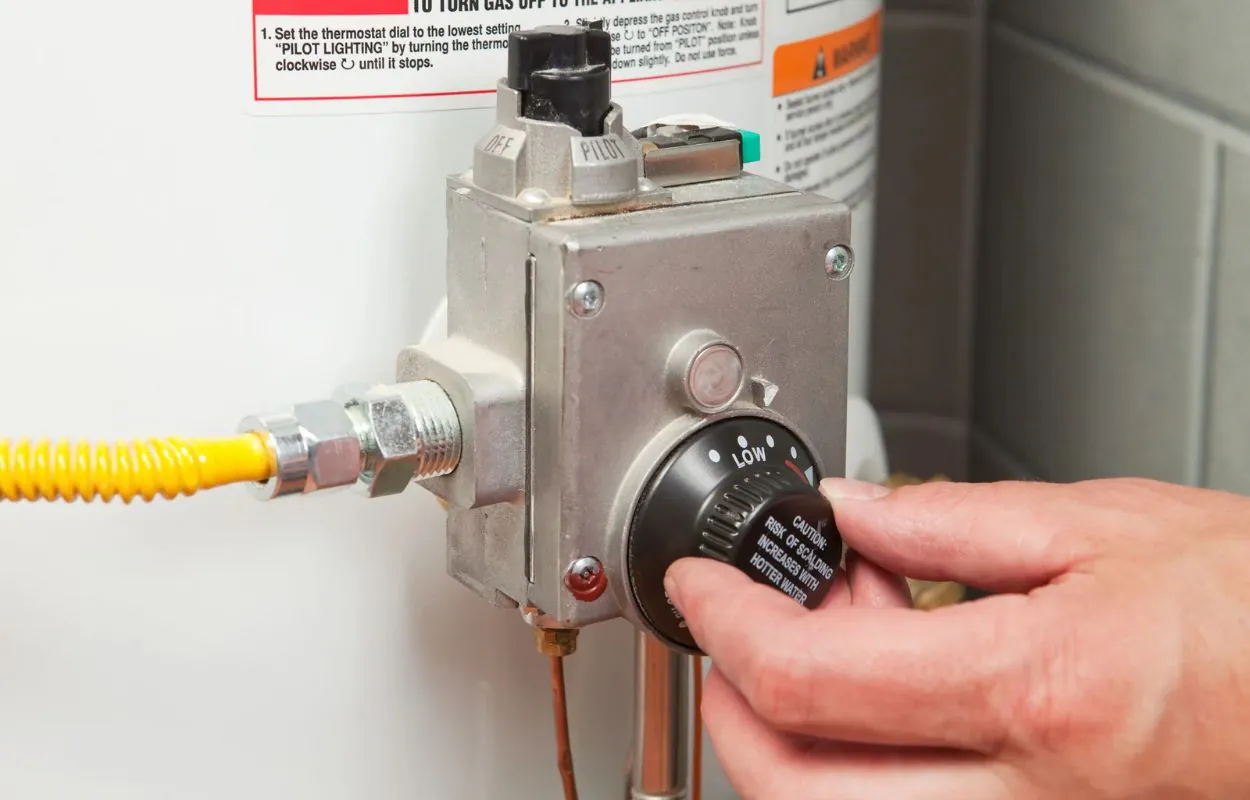
How Long Do Water Heaters Last in Arizona?
Arizona water heaters often fall short of the ten-year average. Why hard water and garage heat shorten lifespan, and the warning signs of a tank near the end.
Clogged Drain in Casa Grande? What Works, and What Makes It Worse
Which clogs you can clear yourself, why chemical drain cleaner often makes things worse, and the signs that mean the problem is the main line, not the sink.